 Blog
What Is Expository Preaching? Definition, Examples and How to Start
A plain-language definition of expository preaching, a worked example, an honest comparison with topical preaching and a simple plan to preach your first expository series.
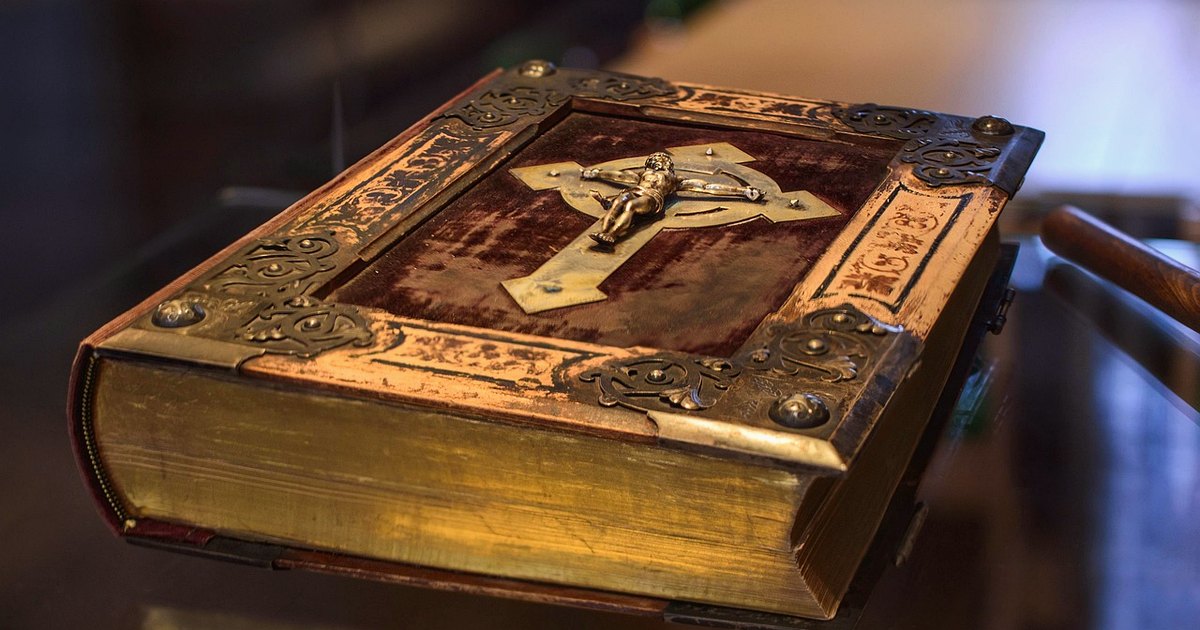
- The definition: expository preaching lets the main point of the passage become the main point of the sermon.
- Not a style: it can be warm, simple and short; it is defined by where the message comes from, not by how long or academic it sounds.
- Topical has a place: both approaches can be faithful when the text truly drives the message.
- Start small: a short book, like Philippians or Jonah, is a great first series.
Expository preaching is preaching in which the main point of a Bible passage becomes the main point of the sermon. The preacher explains what the text says, shows what it meant in its setting and applies it to the listeners today. The passage sets the agenda, and the preacher serves it. That is the simplest expository preaching definition, and it is the one most pastors across evangelical traditions would recognize.
The word expository comes from expose, to bring something into the open. An expository sermon brings the meaning of the text into the open so that people hear what God has said, not only what the preacher thinks about a subject. It can be preached verse by verse through a book or on a single passage chosen for a Sunday. The key is that the sermon grows out of the text.
Where does expository preaching come from?
The pattern is older than the church. When the exiles returned to Jerusalem, Ezra and the Levites stood before the people, read from the book of the law and helped them understand it. They read distinctly, gave the sense and caused the people to understand the reading. That sentence is a fair description of what an expository preacher still tries to do.
So they read in the book in the law of God distinctly, and gave the sense, and caused them to understand the reading.
Nehemiah 8:8 (KJV)
We see something similar on the road to Emmaus, where Jesus, beginning at Moses and all the prophets, expounded unto them in all the scriptures the things concerning Himself. And in the synagogues, the apostles regularly reasoned from the Scriptures, explaining and opening what was written.
And beginning at Moses and all the prophets, he expounded unto them in all the scriptures the things concerning himself.
Luke 24:27 (KJV)
What does an expository sermon look like?
Here is a short example built on Nehemiah 8:1-12, the same passage quoted above. Notice that every point comes from the text and moves in the order of the passage.
When God's People Hear God's Word
Nehemiah 8:1-12- I. The people gathered to hear the word
They came as one, men and women and all who could understand, and asked Ezra to bring the book. Hunger for the word starts with a decision to gather and listen.
Nehemiah 8:1-3 - II. The word was read and explained
Ezra read, and the Levites gave the sense so the people understood. Hearing words is not the same as understanding them; faithful teaching helps the church grasp what God means.
Nehemiah 8:7-8 - III. The word brought conviction
The people wept when they heard the law. God's word shows us where we have fallen short.
Nehemiah 8:9 - IV. The word brought joy
The leaders told them not to grieve, for the joy of the LORD is your strength. Understanding God's word leads past conviction to celebration and generosity.
Nehemiah 8:10-12
The application flows from the text: gather intentionally around Scripture, seek to understand it, let it convict you, and let it lead you to joy in God. A preacher might close by inviting the church to commit to a reading plan together for the next month.
Expository vs topical preaching: what is the difference?
This is one of the most common questions, and it does not need to be a battle. Both approaches can honor Scripture. The difference is the starting point.
| Expository | Topical | |
|---|---|---|
| Starting point | A passage of Scripture | A subject, need or question |
| Main idea | The main idea of the passage | A truth about the topic, drawn from several passages |
| Typical structure | Follows the flow of the text | Organized around aspects of the theme |
| Strength | Keeps the preacher accountable to the text and covers the whole counsel of God over time | Addresses specific needs, holidays or questions directly |
| Risk | Can become a dry running commentary | Can turn into the preacher's opinions with verses attached |
Many churches use both. A pastor might preach through a book for most of the year and step out for a topical message on Easter or a special need. A topical sermon can still be expository in spirit when each supporting text is read in context. For more on that balance, read our guide on the topical sermon.
Why preach expository sermons?
- It keeps the word central. The authority in the room is the text, not the preacher's creativity.
- It teaches people to read the Bible. Week after week, the congregation learns how to study a passage on their own.
- It covers hard texts. Preaching through a book means you cannot skip the passages you would rather avoid.
- It saves planning time. When you preach through a book, you already know next Sunday's passage.
- It brings variety. Different genres, from narrative to poetry to letters, give the preaching a natural rhythm.
All scripture is given by inspiration of God, and is profitable for doctrine, for reproof, for correction, for instruction in righteousness: That the man of God may be perfect, throughly furnished unto all good works.
2 Timothy 3:16-17 (KJV)
Expository preaching examples across different kinds of passages
Part of the joy of expository preaching is that the Bible is not one kind of book. The genre of the passage should shape the sermon, and that keeps the preaching from sounding the same every week. Here are a few expository preaching examples to show how the approach adapts.
- A narrative, like Jonah 1. Follow the story scene by scene. The main idea might be that you cannot outrun the God who pursues you in mercy. Let the tension of the storm carry the sermon, and save the turn to grace for the moment the text gives it.
- A psalm, like Psalm 23. Follow the images: shepherd, pasture, valley, table, house. Poetry works on the heart through pictures, so the sermon should slow down and help people see each one.
- A letter, like Philippians 2:1-11. Trace the argument. Paul calls the church to humility and then grounds the call in Christ, who humbled Himself. The logic of the passage becomes the logic of the sermon.
- A parable, like Luke 15. Ask who the original audience was. Jesus told these stories to Pharisees who murmured about sinners, and that changes how you preach the older brother.
In each case the preacher asks the same questions: what does this passage say, what did it mean, and what does it call us to do? The answers will look different because the passages are different. That variety is a gift to your church, and it is one reason long-time listeners often say expository preaching never gets old.
Common misunderstandings about expository preaching
Some pastors avoid the approach because of what they have seen done poorly. These are the most common misconceptions:
- It must be long. Not true. An expository sermon can be twenty minutes. Length is a separate decision.
- It must cover one verse per week. You can preach a whole chapter or a paragraph. The unit should match the passage's own thought.
- It has no application. Good exposition always moves to the listener. Explanation without application is a lecture.
- It needs seminary training. Original languages help, but a careful reader with a good study Bible and a few trusted helps can preach the text faithfully.
How do you start preaching expository sermons?
- 1Choose a short book
Philippians, James, Jonah or Ruth work well for a first series of four to eight weeks.
- 2Divide it into preaching units
Mark natural breaks in the text: paragraphs, scenes or arguments. Each unit becomes one sermon.
- 3Find the main idea of each unit
Write one sentence that sums up what the passage says, and another that says what it means for your church.
- 4Let the text shape the outline
Your points should follow the movement of the passage rather than a structure you impose on it.
- 5Apply every week
Ask what the passage calls your people to believe and do, and say it plainly.
When you are ready to go step by step through your first message, our guide on how to write an expository sermon walks through the full process with examples. Expository preaching is not reserved for gifted orators. It is for any pastor who wants the congregation to hear what God has said, explained clearly and applied with love.
The passage sets the agenda, and the preacher serves it.
Frequently asked questions
What is the simplest definition of expository preaching?
Expository preaching is preaching where the main point of the Bible passage is the main point of the sermon. The preacher explains the text in its context and applies it to the listeners today.
Is expository preaching the same as verse-by-verse preaching?
Not exactly. Verse-by-verse preaching through a book is one common form of expository preaching, but you can preach an expository sermon on a single passage chosen for a particular Sunday. What makes it expository is that the text drives the message.
Is topical preaching wrong?
No. Topical preaching can be faithful when each passage is read in context and the theme truly comes from Scripture. Many pastors combine both, preaching through books most of the year and adding topical messages for special occasions.
What is a good book for a first expository series?
Short books with clear structure work best: Philippians, James, Jonah, Ruth or 1 John. They let you complete a series in four to eight weeks and build confidence.
How long should an expository sermon be?
There is no required length. An expository sermon can be twenty minutes or forty. Choose a length that suits your congregation and your service, and fit the size of the passage to it.
Let the text set the agenda
Pulpit Method starts from the passage you choose and builds an outline that follows the text, ready for your own study and prayer.
Prepare my sermon Works on your phone and computer
We are the team behind Pulpit Method. We are not a seminary and we do not sign as pastors. Every Bible quotation comes from the King James Version and can be checked. Editorial policy.
- Nehemiah 8:8
- Luke 24:27
- Nehemiah 8:1-12
- Nehemiah 8:1-3
- Nehemiah 8:7-8
- Nehemiah 8:9
- Nehemiah 8:10-12
- 2 Timothy 3:16-17